Hilton Head Island and the surrounding Lowcountry are home to a remarkable range of wild animals — squirrels, raccoons, opossums, deer, alligators, shorebirds, sea turtles, and more. When wildlife is injured, orphaned, or ends up somewhere it shouldn’t be, knowing who to call makes all the difference. This page connects you to the right resources — fast.
Found an orphaned squirrel? Save or print this step-by-step guide to keep on hand.
📄 Download the Squirrel Guide (PDF)Wildlife Emergency: Injured or Orphaned Animals
Palmetto Wildlife Rescue and Rehabilitation
📞 803-969-0803
palmettowildlifesc.com
Statewide network of certified rehabbers, divided into regional chapters. The Lowcountry chapter covers Colleton, Beaufort, and Jasper Counties. Note: PWRR is not permitted to rehabilitate birds or reptiles directly, but can help direct you to a specialist who can. Call or — especially — text with a photo, your location, and your contact number. Texts are monitored closely. The nearest available rehabber will be in touch.
Keeper of the Wild
📞 843-636-1659
keeperofthewild.org
Lowcountry-focused network with a physical facility in Walterboro. Species-specific instructions at keeperofthewild.org → “Found an Animal” — separate contacts for birds of prey, shorebirds, turtles, alligators, deer, and more. Call or text. If no one answers, text with a photo.
What to Do While You Wait
Don’t pick it up. Your instinct is to help. We understand. But handling wildlife — especially raccoons — can trigger a mandatory euthanasia and rabies testing, by law. The safest thing you can do is keep people and pets away from the animal.
Do contain it if you can. An overturned laundry basket or a cardboard box with holes placed over the animal (then weighted down) keeps it in place without you touching it.
Do send a photo when you call. Both Palmetto Wildlife and Keeper of the Wild will ask for one. Have it ready.
If no one answers, text. Both organizations actively monitor texts. A text with a photo, your location, and your phone number gets to the right person faster than a voicemail.
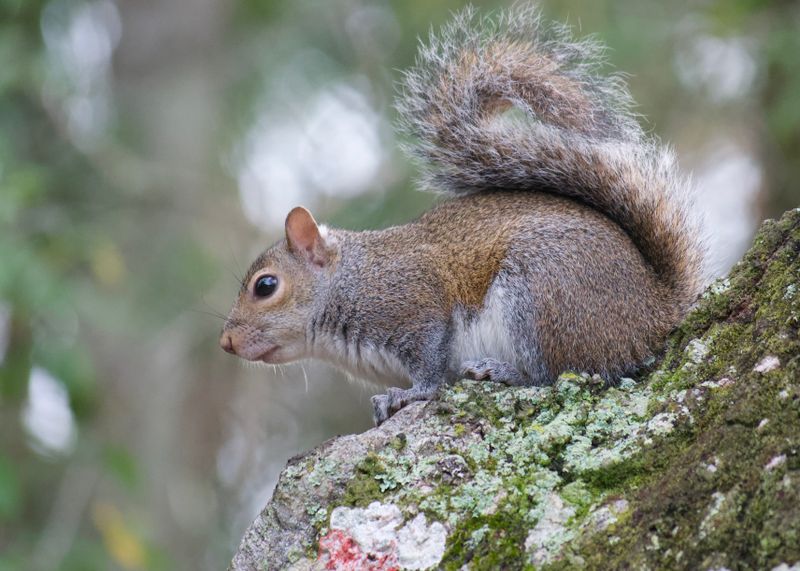
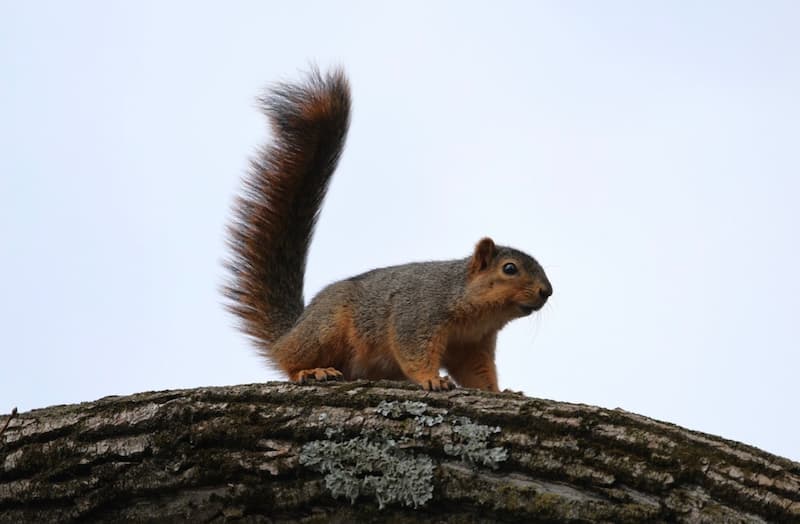
Playing a recording of your squirrel’s distress call can help draw a mother back — scroll to the bottom of this page to hear the right one for gray or fox squirrels.
Other Wildlife Conflicts
For raccoons, snakes, opossums, or other wildlife that have ended up somewhere they shouldn’t be, contact a licensed South Carolina wildlife management company. SCDNR’s website has a list of licensed operators by county.
Note about Fawns
Mother deer leave their fawns in the morning and return in the evening. A fawn curled up in your garden is almost certainly not abandoned — mom chose that spot. Leave it alone, keep dogs and children away, and check back at dusk. If the fawn is still there the next morning, then call Keeper of the Wild.
Do not handle fawns. An animal that has been touched by humans may be subject to automatic euthanasia and rabies testing if a scratch or bite is suspected. The risk is real and entirely preventable.
A Note About Raccoons
The Lowcountry is currently experiencing a distemper outbreak. There have been confirmed rabies cases in the Bluffton area and at Moss Creek Plantation. Distemper and rabies look almost identical: a raccoon that appears dazed, drunk, or disoriented may have either illness — or it may have a head injury from a car or fall. Either way, do not approach it. Call Keeper of the Wild at 843-636-1659 or the SCDNR Beaufort County coordinator at 803-625-3569.
How to Help
Wildlife rehabbers are volunteers who work out of their own homes, often fund their own supplies, and wake up every two hours overnight to bottle-feed neonatal animals. If you want to support this work:
Donate to Keeper of the Wild: keeperofthewild.org/donate
Donate to Palmetto Wildlife Rescue and Rehabilitation: palmettowildlifesc.com
Both are 501(c)(3) nonprofits. Donations go directly to medicine and supplies.
Avian Rehabilitators
Center for Birds of Prey (Avian Conservation Center)
Avian Medical Clinic hotline, answered 9am–9pm Mon–Fri, 9am–5pm Sat–Sun, 365 days a year. Treats birds of prey and shorebirds only — not ducks, geese, or songbirds. If a bird is contained, don’t offer food or water; keep it warm, dark, and quiet until transport. Full list of instructions on their website.
📞 843-971-7474 ext #1 🔗centerforbirdsofprey.org
Songbirds, Ducks & Geese — Not covered by the Avian Conservation Center. Try one of these instead:
- Carolina Wildlife Center — 803-772-3994 🔗carolinawildlife.org
- Carolina Waterfowl Rescue — text preferred, 704-286-6330 🔗cwrescue.org
Port Royal Veterinary Hospital
📞 843-379-7387
1502 Paris Ave,
Port Royal, SC 29935
portroyalveterinaryhospital.com
During business hours, Port Royal Veterinary Hospital accepts injured wildlife walk-ins. Be aware: you will be asked to sign a surrender form, and Port Royal makes all treatment decisions.
Wildlife Conflict: When Animals and Humans Share Space
Hilton Head Island is home to alligators, snakes, raccoons, and other wildlife that occasionally end up somewhere unexpected. Here’s what to do when that happens.
Alligators
Alligators are native to HHI and protected under South Carolina law. Most alligators will move on if left alone — their presence alone does not make them a nuisance.
Do not feed alligators. It is illegal, and it causes them to lose their fear of humans. This includes indirect feeding: fish scraps, bird food, and turtle food near water all count.
- Emergency (alligator acting aggressively or threatening safety): Call Operation Game Thief at 1-800-922-5431
- Non-emergency nuisance: If you live in an HOA, report to your HOA or property management first. Otherwise, call the SCDNR Beaufort County coordinator at 803-625-3569
Snake Relocation
Found a snake in your yard and want it removed safely rather than harmed? These are HHI-area volunteers through the national Free Snake Relocation network — free, humane relocation, no cost to you.
- Craig Cleveland — (843) 540-5240, text preferred
- Ryan King — (843) 489-9098, text preferred
- Ewan Macaulay — (404) 918-4807, text preferred
🔗 freesnakerelocation.com
Other Wildlife Conflicts
For raccoons, snakes, opossums, or other wildlife that have ended up somewhere they shouldn’t be, contact a licensed South Carolina wildlife management company. SCDNR’s website has a list of licensed operators by county.
Want to Learn More?
We sat down with a local certified wildlife rehabber to talk about what really happens when wildlife needs help — and what most people get wrong. Check out the full Q&A here!
Hear the Distress Call
Playing a recording of the correct species’ distress call can help draw a mother squirrel back. Match the species below before playing.